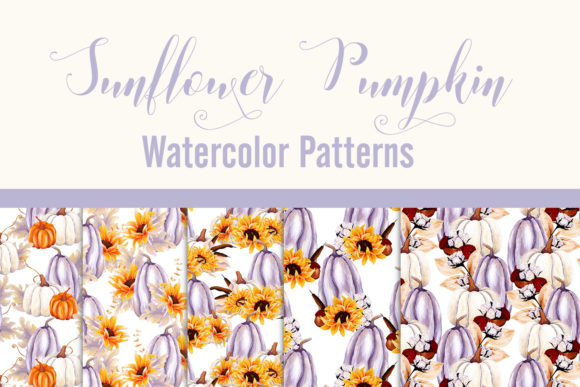
Sunflower Pumpkin - Watercolor Patterns Review
As a designer who has spent years translating digital art into tangible thread, I approach every new machine embroidery design with a mix of excitement and skepticism. The market is flooded with generic motifs, but finding a piece that truly captures a specific mood while remaining stitchable is rare. When I first opened the file for Sunflower Pumpkin - Watercolor Patterns, my immediate reaction was one of relief. It feels like a breath of fresh autumn air, perfectly capturing that cozy, harvest season vibe without falling into the trap of being overly cluttered or cliché.
The Visual Mood and Design Intent
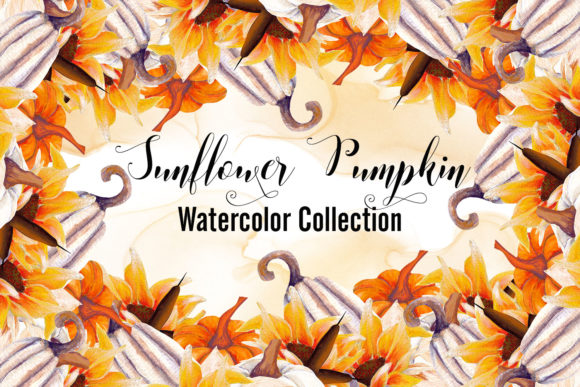
The concept here is straightforward yet effective: blending the cheerful energy of sunflowers with the rustic warmth of pumpkins using a watercolor aesthetic. In the realm of Illustrations, watercolor styles can sometimes be tricky to translate into thread because they rely heavily on soft gradients and bleeding edges. However, this design manages to suggest that fluidity through clever use of fill stitch and varied thread colors. It doesn't try to replicate a photograph; instead, it uses abstract shapes and color blocking to evoke the feeling of a painted canvas.
For an Etsy seller or a small shop owner looking to refresh their fall collection, this design offers a distinct visual personality. It moves away from the standard orange-and-black Halloween tropes and leans into a more sophisticated, earthy palette. The layout is balanced, allowing the elements to breathe, which is crucial when you are planning to place this on a curved surface like a cap or a structured tote bag. The overall impression is one of artisanal quality, suggesting that the finished product will appeal to customers who value handmade aesthetics over mass-produced looks.
Real-World Application: A Custom Tote Bag Scenario
To truly test the viability of Sunflower Pumpkin - Watercolor Patterns, I imagined a real-life project: creating a limited run of custom embroidered tote bags for a local boutique's autumn sale. These aren't just plain canvas bags; they are premium, heavy-weight cotton totes intended as reusable shopping bags or beach totes for the cooler months.
In this scenario, the design serves as the focal point on the front panel. Because the watercolor style implies softness, the contrast against the sturdy, textured fabric of the tote creates a delightful tactile experience. I visualized stitching this in warm terracotta, mustard yellow, and deep olive greens. The stitch density appears moderate, which is ideal for this application. If the density were too high, the canvas might pucker, ruining the drape of the bag. With this design, the stitches sit flat enough to maintain the bag's structure while adding a pop of artistic flair.
Furthermore, consider the customer interaction. A shopper picking up this tote isn't just buying a bag; they are buying a statement about their love for the season. The handmade product feel is amplified by the organic nature of the watercolor pattern. It feels personal, as if the artist sat down and sketched it specifically for them. This level of perceived value is exactly what drives sales for small business merchandise and helps justify a higher price point compared to screen-printed alternatives.
Navigating Fabric Challenges and Technical Nuances
While the design is versatile, it is not a "one-size-fits-all" solution. As a professional reviewer, I must highlight where caution is required. The watercolor effect relies on the interplay of different colored threads. On dark fabrics, such as a black sweatshirt, the lighter pastel tones in the design might get lost unless you utilize a white underlay or switch to brighter, high-contrast thread colors. Without proper contrast, the delicate nuances of the watercolor style could disappear, leaving the finished product looking muddy rather than vibrant.
Similarly, the texture of the fabric plays a significant role. On highly textured items like fleece or chunky knits, the fine details of the petals and pumpkin ridges might struggle to stand out. The running stitch outlines used to define the shapes need a relatively smooth surface to remain crisp. If you are attempting this on a baby onesie made of thin jersey knit, you must be meticulous with your stabilizer choice. A tear-away stabilizer might not provide enough support for the larger fill areas, leading to distortion after the first wash.
Another critical consideration is the hoop size. While the design is scalable, shrinking it too much to fit a small 4x4 inch hoop could result in pixelation or loss of detail, especially in the transition areas between colors. Conversely, enlarging it for a large pillow cover requires checking the embroidery file specifications to ensure the stitch count doesn't become excessive, which could lead to thread breaks or machine jamming. Always verify the recommended dimensions before committing to a large-scale project.
Strategic Advice for Commercial Use
For those planning to sell items featuring Sunflower Pumpkin - Watercolor Patterns, there are several practical steps to ensure success. First, always create a printable mockup to visualize how the design sits on your specific product. This helps in identifying potential issues with placement or color balance before you cut any thread. Second, test the design on scrap fabric that matches your final material. This allows you to check the stitch density and make necessary adjustments to tension or speed.
Licensing is another non-negotiable aspect. Before listing these designs on your shop, confirm whether the license allows for commercial use of the finished product. Some digital embroidery files are restricted to personal use only, while others grant permission for selling physical goods. Misunderstanding these terms can lead to legal complications that could shut down your craft business. Additionally, if you plan to offer this as a personalized gift, consider how well the design accommodates added text. The organic shape of the pumpkins and flowers leaves room for names or dates, but you must ensure the typography complements the watercolor style rather than clashing with it.
Final Verdict for the Modern Maker
Sunflower Pumpkin - Watercolor Patterns is a standout asset for designers looking to inject some seasonal charm into their portfolios. It strikes a rare balance between artistic expression and technical feasibility. Whether you are creating custom apparel for a client, designing holiday embroidery gifts for family, or stocking shelves at a craft fair, this design offers a professional look that resonates with buyers.
Its strength lies in its ability to elevate simple items into collectible pieces. A plain apron becomes a kitchen essential; a basic cap becomes a fashion accessory. By paying attention to fabric choice, stabilizer usage, and color contrast, you can maximize the potential of this design. It is a reminder that great embroidery isn't just about the machine doing the work—it's about the designer's eye guiding the thread to tell a story. For anyone serious about their embroidery project outcomes, this is a file worth exploring.