Watercolor Sugar Skull Clip Art & Illustrations
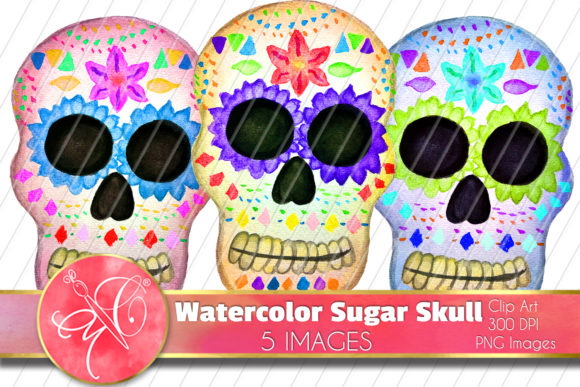
As a digital publisher who has spent years refining the visual language of content websites, I know that the first thing a reader sees is not your headline—it is your imagery. When I first encountered Watercolor Sugar Skull Clip Art, I was immediately struck by its potential to bridge the gap between whimsical creativity and professional editorial design. This graphic design asset does not just sit on a page; it sets a mood. The soft, bleeding edges of the watercolor style combined with the bold, iconic structure of the sugar skull create a unique tension. It feels artistic yet structured, playful yet deeply rooted in cultural tradition. For bloggers and content creators looking to inject personality into their work without sacrificing polish, this collection offers a compelling solution.
Setting the Editorial Tone for Seasonal Content
The immediate impression of these illustrations is one of vibrant storytelling. In the world of web design, where generic stock photos often dilute brand identity, Watercolor Sugar Skull Clip Art stands out as a distinct choice. It naturally supports niches focused on lifestyle, travel, culture, education, and creative entrepreneurship. If you are planning content around Day of the Dead (Día de los Muertos), Halloween, or even broader themes of art history and Mexican heritage, this asset provides an authentic visual anchor. Unlike flat vector graphics that can feel sterile, the watercolor texture adds depth and warmth, making the content feel more human and approachable. This is crucial for building reader trust, as audiences are increasingly drawn to content that feels handcrafted rather than mass-produced.
Integrating Into Real Publishing Workflows
In my own publishing workflow, I treat every image as a strategic tool. Here is how I envision deploying Watercolor Sugar Skull Clip Art across various platforms to maximize engagement:
- Blog Featured Images: Using these illustrations as hero images instantly grabs attention in search results and social feeds. The contrast between the colorful skulls and clean white backgrounds creates a strong visual hierarchy that guides the eye directly to the article title.
- Pinterest Pins: Pinterest is a visual search engine, and these assets are tailor-made for high click-through rates. Pairing a single skull illustration with bold typography can turn a standard pin into a standout piece of creative design that drives traffic back to your site.
- Newsletter Headers: Email open rates often hinge on the preview image. A subtle use of these illustrations in a newsletter banner can signal a special edition or seasonal campaign, encouraging subscribers to engage with the content inside.
- Digital Guides and Lead Magnets: For affiliate marketers and online educators, creating a downloadable resource like a PDF guide requires a cover that looks premium. These illustrations elevate a simple document into a perceived high-value digital product.
- Canva Templates: Designers can easily import these files into Canva templates to offer clients quick-turnaround social media graphics or small business branding kits.
Boosting Performance Through Visual Consistency
The true power of a curated set of design assets lies in consistency. When you use Watercolor Sugar Skull Clip Art repeatedly across your website header, category thumbnails, and social media graphics, you begin to build a recognizable brand identity. Readers start to associate that specific artistic style with your voice. This consistency improves category recognition and makes your content pages look more professional. In the crowded space of content marketing, a cohesive visual system helps you stand out from competitors relying on disjointed stock photography. Furthermore, these illustrations support better click-through potential because they are visually distinct; they do not blend into the background noise of typical blog graphics.
Strategic Placement: Where It Shines
To get the most out of this collection, placement is key. These illustrations work best in areas where you want to draw focus and add decorative flair. They are perfect for hero images on landing pages, where they can dominate the screen and set the tone immediately. They also excel as editorial accents within long-form articles, breaking up text blocks and keeping the reader engaged. For small business owners, using these as icons for service offerings or as part of a media kit can convey a sense of creativity and attention to detail. Additionally, they serve as excellent social media previews, ensuring that when your links are shared on Facebook or Twitter, the accompanying thumbnail is intriguing enough to warrant a click.
Exercising Caution in Specific Contexts
However, even the best graphic design asset requires careful handling. There are scenarios where Watercolor Sugar Skull Clip Art should be used with caution. Because the watercolor style involves intricate details and varying opacity, these images may lose impact if used as very small mobile thumbnails. On a tiny screen, the delicate brushstrokes might blur, reducing readability. Similarly, avoid placing them on busy layouts or low-contrast backgrounds, as the details could get lost. While they are fantastic for lifestyle and creative niches, they may feel out of place in serious corporate content or highly minimalistic professional sites that require a stark, no-nonsense aesthetic. Always consider the context of your audience before integrating such a bold visual element.
Practical Publisher Notes for Implementation
Before committing to a full rollout, I recommend a rigorous testing phase. Start by previewing the images on both desktop and mobile screens to ensure they render correctly at different resolutions. Check how the artwork looks when paired with various font styles—try it beside a classic serif font for an editorial look, or a modern sans-serif for a cleaner web design feel. You might even experiment with script or handwritten fonts to enhance the artistic vibe. Crucially, test the contrast and readability; ensure the text overlay remains legible against the colorful background.
Performance is also paramount. Review the file size of each digital download and compress images properly to prevent slowing down your website load times. A slow site can hurt SEO rankings and drive readers away, negating the benefits of beautiful visuals. Finally, always confirm the commercial licensing terms. As a digital publisher, you must ensure you have the right to use these illustrations on monetized websites, affiliate pages, and paid content products. Securing a proper commercial license protects your business and ensures you can leverage these assets for long-term growth without legal complications.
Final Thoughts on Creative Value
In conclusion, Watercolor Sugar Skull Clip Art represents more than just a set of pictures; it is a versatile tool for modern content creation. Whether you are crafting a digital guide, designing a Pinterest pin, or updating your website header, these illustrations offer a fresh, engaging way to communicate your message. By understanding where they shine and where to exercise caution, you can integrate them seamlessly into your publishing strategy. For any blogger, designer, or entrepreneur looking to elevate their visual hierarchy and strengthen their brand identity, this collection is a valuable addition to your creative marketplace toolkit. It transforms ordinary content into an experience that resonates with readers and encourages deeper engagement.