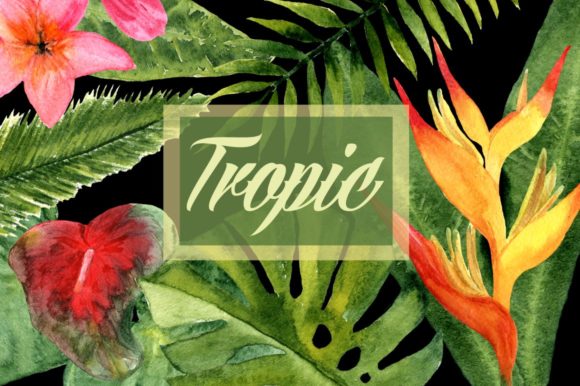
Watercolor Tropic Clip Art: Fresh Illustrations
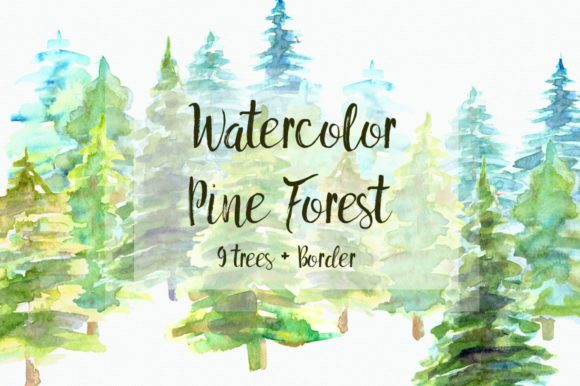
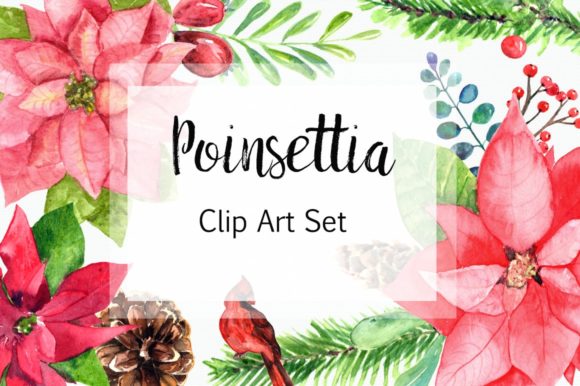
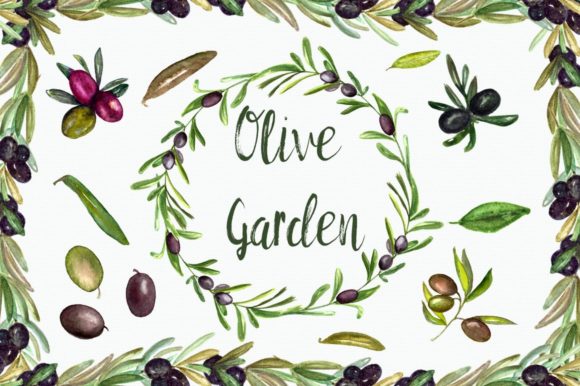
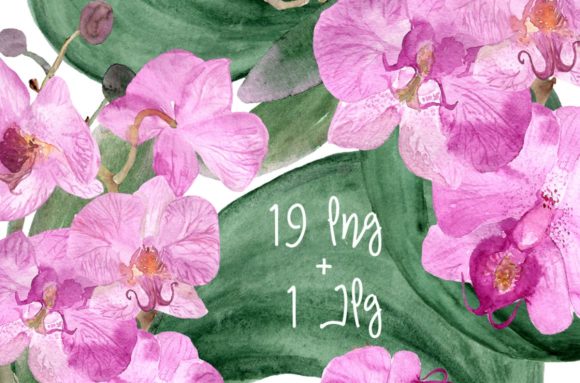
As a digital publisher who has spent years refining the visual language of content websites, I know that the first thing a reader sees is rarely the headline. It is the image. When I opened the preview files for Watercolor Tropic Clip Art, my immediate reaction was one of relief. In a landscape often cluttered with sterile stock photos and over-saturated vector graphics, this collection breathes. It brings an organic, hand-painted warmth that instantly elevates the editorial mood of any page.
This graphic design asset does not just fill space; it sets a tone. The watercolor texture suggests a lifestyle-focused niche, perfect for travel blogs, wellness guides, seasonal roundups, or creative entrepreneurship platforms. It feels playful yet polished, feminine but not overly delicate, and artistic without sacrificing clarity. For publishers aiming to build trust through aesthetic consistency, these illustrations offer a sophisticated alternative to generic clip art.
Integrating Tropical Aesthetics into Your Publishing Workflow
The true test of any design asset lies in how seamlessly it integrates into a real-world publishing workflow. Imagine you are preparing a series of articles on summer destinations or creating a digital guide on tropical skincare. You need visuals that stop the scroll on social media and encourage clicks once the user lands on your site. Watercolor Tropic Clip Art serves this dual purpose exceptionally well.
I have used similar assets to create featured images that stand out in search engine results. By layering these illustrations over soft, neutral backgrounds, you achieve a clean visual hierarchy that directs the eye straight to your call-to-action. Whether you are designing a Pinterest pin, a website header, or a newsletter banner, the fluid nature of the watercolor style allows for versatile composition. Unlike rigid geometric shapes, these elements can be rotated, scaled, and grouped to create dynamic layouts that feel bespoke rather than templated.
For content creators building a brand identity, consistency is key. Using this set across your blog graphics, social media posts, and downloadable resources creates a cohesive visual thread. Readers begin to recognize your brand by its color palette and artistic style before they even read your name. This recognition builds authority and makes your content more clickable in a crowded feed.
Strategic Applications for High-Performance Content
To maximize the impact of this digital download, consider where it performs best within your ecosystem. These illustrations shine when used as hero images for category pages, such as "Travel Tips" or "Summer Recipes." They also work beautifully as editorial accents within long-form articles, breaking up text blocks and reducing cognitive load for the reader.
- Social Media Graphics: Create custom Pinterest pins and Instagram stories that pop against white or pastel backgrounds. The organic edges of the watercolor style blend naturally with lifestyle photography.
- Digital Products: Use these assets to design covers for eBooks, worksheets, and lead magnets. A high-quality illustration signals value, increasing the perceived worth of your free or paid downloads.
- Email Marketing: Incorporate the clip art into newsletter headers to make your emails feel personal and inviting, boosting open rates and engagement.
- Affiliate Marketing: Design unique banners for affiliate reviews. Custom graphics perform better than manufacturer-provided images because they align with your site's branding.
When I tested these files in Canva templates, they were incredibly easy to manipulate. You can overlay them on photos, use them as frame elements, or isolate specific motifs like leaves and flowers to create custom patterns. This flexibility makes them an essential tool for small business owners who need professional-grade design assets without hiring a full-time designer.
Navigating Limitations and Technical Considerations
While Watercolor Tropic Clip Art is versatile, it is not a universal solution. As an experienced web designer, I must advise caution in certain contexts. These illustrations rely on their texture and color to convey their mood. If you place them on a busy, high-contrast background, the details may get lost, causing the image to look muddy rather than vibrant.
They should also be used carefully in serious professional niches. If you run a corporate finance blog or a medical journal, the playful, artistic nature of these illustrations might undermine the seriousness of your message. Similarly, avoid using them as tiny mobile thumbnails. The intricate brush strokes can become indistinguishable at very small sizes, leading to a pixelated appearance that hurts your site's professional reputation.
Text-heavy blog images are another area to watch. Do not try to force large blocks of text directly over the watercolor elements. Instead, let the illustrations breathe. Place your headlines in negative space or use a solid block of color behind the text to ensure readability. Good web design is about balance, and these assets demand respect for their organic forms.
Practical Publisher Notes for Implementation
Before committing to this asset for your entire content strategy, run a few practical tests. First, check the file size. Large, uncompressed images will slow down your website, negatively affecting SEO and user experience. Ensure you compress the images properly while maintaining quality before uploading them to your CMS.
Next, review the commercial licensing terms. If you plan to use these illustrations in monetized websites, affiliate pages, or paid digital products, you must confirm that the license covers commercial design usage. Never assume; always verify that you have the right to use the asset for profit.
Finally, test the typography pairing. Watercolor styles often pair beautifully with handwritten fonts, script fonts, and modern sans-serif typefaces. However, they can clash with heavy, industrial serif fonts. Preview your designs on both desktop and mobile screens to see how the combination looks in different environments. Try rendering the design in black and white to check contrast levels, ensuring accessibility for all readers.
In conclusion, Watercolor Tropic Clip Art is a powerful addition to any creative entrepreneur's toolkit. It transforms standard blog posts into visually compelling narratives and turns simple newsletters into branded experiences. By understanding its strengths and limitations, you can leverage these illustrations to build a stronger brand identity and create content that truly resonates with your audience.