Gorilla Watercolor Illustration: A Designer Review
As a designer who has spent years translating digital art into tangible thread, I approach every new machine embroidery design with a mix of excitement and skepticism. The gap between a pretty image on a screen and a successful finished product is often where projects fail. Recently, I took a close look at the Gorilla Watercolor Illustration to see if it holds up under the scrutiny of real-world application. This isn't just about how it looks in a preview; it is about how it behaves when stitched onto fabric, how it impacts your brand, and whether it deserves a spot in your commercial portfolio.
First Impressions: Mood and Visual Personality
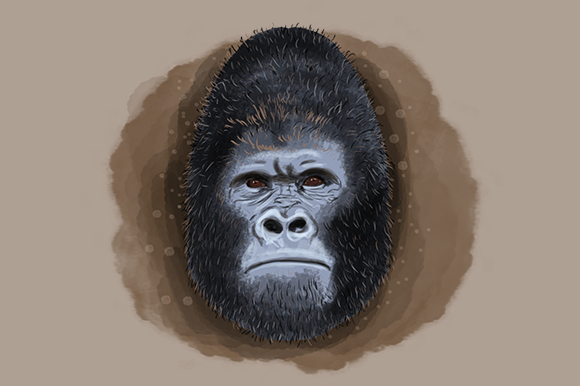
When you first open the file for Gorilla Watercolor Illustration, the immediate feeling is one of softness and organic flow. Unlike rigid vector art that can feel stiff when stitched, this design captures the bleeding edges and gradient transitions typical of watercolor painting. For an embroidery project focused on whimsy or nature, this mood is essential. The gorilla itself is stylized enough to be recognizable but retains enough artistic flair to stand out from generic clip art.
The layout suggests a design meant to breathe. It does not demand to be the loudest thing in the room, making it perfect for subtle branding on a boutique item or a heartfelt personalized gift. However, the "watercolor" effect relies heavily on how the stitch types are programmed. If the fill stitch density is too high, you lose that airy, painted look. If it is too low, the design may show through the fabric unevenly. My initial assessment is that this digital embroidery file works best when the artist prioritizes texture over solid coverage.
Testing the Design: A Real-World Scenario
To truly understand the potential of Gorilla Watercolor Illustration, I visualized a specific use case: creating a limited-run collection of canvas tote bags for a local eco-friendly shop. Tote bags are a staple for Etsy sellers and craft business owners because they offer a large, flat surface area that accommodates medium-to-large hoop sizes. In this scenario, the watercolor style of the gorilla would translate beautifully against natural cotton canvas.
Imagine placing this design on the front pocket of a heavy-duty sweatshirt. The contrast between the rugged fabric texture and the soft, fluid lines of the illustration creates a compelling aesthetic. Customers looking for unique custom apparel often gravitate toward designs that feel handmade rather than mass-produced. The Gorilla Watercolor Illustration achieves exactly that. It signals quality and artistic intent, which can significantly increase the perceived value of your small shop product.
I also considered using this as an embroidered patch for denim jackets. Patches require durability, and the watercolor style adds a vintage, worn-in vibe that pairs perfectly with denim. Whether used for holiday embroidery gifts or year-round merchandise, the versatility of this theme allows it to fit into various seasonal collections without feeling out of place.
Navigating Fabric Challenges and Stitch Density
While the design is promising, applying Gorilla Watercolor Illustration requires careful consideration of your materials. Not all fabrics play nice with complex gradients. On thin or stretchy fabrics like jersey knit, the intricate details of the watercolor wash might distort if the wrong stabilizer is used. I strongly advise testing the design on scrap fabric first. Check how the threads interact with the weave. If the stitch density is too aggressive for a delicate material, the fabric will pucker, ruining the soft aesthetic you are trying to achieve.
Dark fabrics present another challenge. The watercolor effect often relies on lighter tones blending into one another. On black or navy backgrounds, you may need to adjust the thread colors or add a backing layer to ensure visibility. Without proper contrast, the subtleties of the illustration could get lost. Always compare light and dark fabric backgrounds before committing to a full production run. Additionally, curved surfaces like caps can warp the straight lines of the design. While the organic shape of the gorilla helps mitigate this, you must verify that the design remains legible on a curved brim.
Strategic Use for Craft Businesses
For creative entrepreneurs and digital product sellers, understanding the limitations and strengths of a design is key to maintaining customer trust. Using Gorilla Watercolor Illustration correctly enhances your professional reputation. It shows that you care about the final presentation, not just the speed of production. When customers receive a handmade product where the stitching is crisp and the design looks intentional, they are more likely to return and recommend your work.
This design fits well into categories like nursery decor, baby clothes, and kitchen textiles. A baby embroidery project featuring a friendly gorilla on a pillow cover or blanket is both cute and durable. Similarly, a kitchen towel with this motif adds a touch of personality to home goods. However, avoid using it for items that require frequent, harsh washing unless you have confirmed the thread stability. High-friction areas or dense stitch zones can wear down faster, affecting the longevity of the finished product.
Practical Designer Notes for Success
- Test on Scrap Fabric: Never skip the test run. See how the fill stitch and running stitch behave on your specific material.
- Check Thread Contrast: Ensure the lighter shades of the watercolor effect pop against your chosen background color.
- Verify Hoop Size: Confirm that the design fits comfortably within your machine's hoop without stretching the image.
- Inspect Small Details: Zoom in on the digital preview to ensure no tiny elements will disappear during stitching.
- Use Proper Stabilizer: The right stabilizer is crucial for preventing puckering, especially on textured fabrics.
- Review Licensing: Before selling finished items or digital files, confirm the license terms allow for commercial embroidery and resale.
Final Verdict on Commercial Viability
The Gorilla Watercolor Illustration is a strong asset for designers who want to elevate their craft business offerings. It bridges the gap between traditional illustration and modern textile art. Its ability to evoke emotion and style makes it a favorite for personalized products and boutique branding. However, its success depends entirely on execution. You must respect the nuances of the design, choose the right fabrics, and apply the necessary technical skills to bring it to life.
If you are an apparel decorator or a maker looking for a design that stands out in a crowded market, this illustration offers a unique opportunity. It invites creativity and allows for customization while maintaining a cohesive visual identity. By treating it with the attention it deserves, you can create design assets that not only sell but also build a loyal following for your brand. Just remember to check the specifics of the embroidery file and test thoroughly before launching your next collection.