Watercolor Seashells Clip Art Set Review
As a designer who has spent years translating digital art into tangible thread, I approach every new asset with a critical eye. When I first opened the Watercolor Seashells Clip Art Set, my immediate reaction was one of visual delight. The soft gradients and organic shapes scream "coastal chic," but as an embroidery professional, I know that pretty pixels do not always equal perfect stitches. This review is not about what the file looks like on a screen; it is about how this set performs when you actually sit down at your machine to create a finished product for your shop or a client.
The Mood and Visual Personality of the Design
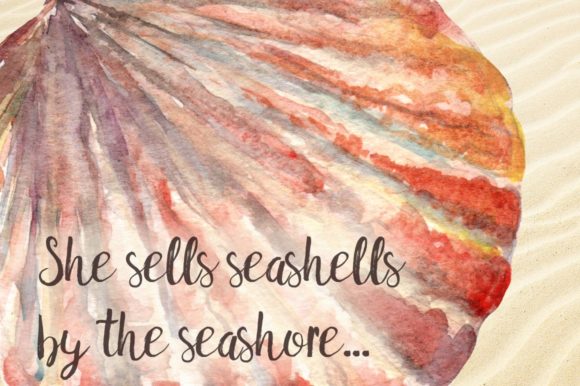
The Illustrations in this collection capture a specific aesthetic: dreamy, fluid, and undeniably feminine. The watercolor effect relies heavily on blended edges and varying opacities. In a standard vector format, these transitions are smooth. However, in the world of machine embroidery, we have to think about how we will replicate those washes using thread. The design naturally belongs in projects that require a touch of whimsy rather than sharp, corporate precision. It feels right at home on nursery decor, boutique tote bags, or personalized gifts for beach lovers.
When I visualize this set on a fabric background, I see potential for high engagement. Customers looking for handmade products often crave that "soft" look that mass-produced items lack. If executed correctly, the Watercolor Seashells Clip Art Set can elevate a simple cotton t-shirt into a premium, artisanal piece. The layout of the shells suggests they work well both as standalone focal points or as part of a scattered, organic pattern across a larger surface area.
A Real-World Scenario: The Custom Tote Bag Project
Let me walk you through a practical application. Imagine you are an Etsy seller preparing a limited run of canvas tote bags for the summer season. You want something that stands out from the typical block-lettered designs. You decide to use the largest shell from the Watercolor Seashells Clip Art Set centered on the front of a natural beige tote bag.
Here is where the real work begins. Because the original art features watercolor bleeding, a standard fill stitch might look too solid and heavy. To achieve that authentic look, you would need to adjust your digitizing settings. Using a mix of satin stitch for the outlines and a lower-density fill stitch with varied thread colors could mimic the watercolor wash. If you simply stitch it with 100% density, you lose the airy feel that makes the design special. The result, however, if done right, is a stunning handmade product that customers will immediately recognize as unique. They aren't just buying a bag; they are buying a piece of coastal art stitched onto their daily carry-all.
Navigating Fabric Textures and Hoop Sizes
While the design is versatile, there are specific scenarios where you must exercise caution. The delicate nature of the watercolor style means it does not tolerate small hoop sizes well. If you try to shrink this design to fit a tiny 4x4 inch hoop for a baby onesie or a cap patch, you risk losing the very details that give it character. The subtle color transitions may turn into muddy blobs, and the intricate curves of the shells could become jagged.
Fabric choice is equally critical. On textured fabrics like linen or thick denim, the fine lines of the watercolor effect might get lost in the weave. For best results, I recommend testing this machine embroidery design on a medium-weight cotton or a smooth canvas first. If you plan to use it on stretchy materials like sweatshirts, you must use a strong stabilizer to prevent the stitches from puckering, which would ruin the flow of the shell shapes. Dark fabrics present another challenge; the light, airy colors inherent in a watercolor theme may not pop against black or navy without significant adjustments to your thread palette or the addition of a white underlay.
Practical Designer Notes for Success
- Test on Scrap Fabric: Never skip this step. Stitch a test run to check how the software interprets the watercolor gradients into stitch types. You may need to manually adjust the stitch density to avoid thread buildup.
- Check Thread Colors: The magic of this set lies in its blending. Ensure your thread selection offers enough variation to mimic the gradient. A single solid color will flatten the design.
- Confirm Licensing: Before listing your finished goods or selling the digital embroidery file itself, double-check the license terms. Many clip art sets have restrictions on commercial use or the number of items you can sell.
- Use Proper Stabilizer: Especially for custom apparel or items that will be washed frequently, a cutaway or tear-away stabilizer is essential to maintain the integrity of the embroidered patch or design over time.
- Mockup Testing: Create a printable mockup in black and white first. This helps you see if the contrast works before you commit expensive thread and time to the project.
Impact on Brand Consistency and Customer Trust
For small business owners and creative entrepreneurs, consistency is key. The Watercolor Seashells Clip Art Set offers a cohesive theme that can tie together a whole collection. Imagine a line of kitchen towels, aprons, and pillow covers all featuring different shells from the same set. This creates a recognizable brand identity for your small shop product line. When customers see a consistent, high-quality aesthetic across your inventory, it builds trust and encourages repeat purchases.
However, quality control is paramount. If the stitching is sloppy or the design looks pixelated due to poor scaling, it reflects poorly on your entire brand. The difference between a professional finished product and a hobbyist attempt often comes down to attention to detail in the digitizing process. By taking the time to refine the fill stitch and running stitch elements, you ensure that the final embroidery looks intentional and polished.
Final Thoughts on Commercial Viability
In conclusion, the Watercolor Seashells Clip Art Set is a powerful asset for designers willing to put in the extra effort to translate its soft aesthetic into thread. It is not a "load and go" design that works perfectly on every setting without adjustment. It requires a thoughtful approach to thread colors, stabilizers, and fabric choices. But for those who master its nuances, it offers a beautiful way to create holiday embroidery, wedding gifts, and everyday essentials that stand out in a crowded market.
Whether you are making a single personalized gift for a friend or producing a batch of commercial embroidery for your online store, remember that the success of the project depends on your execution. Take the time to test, adjust, and perfect. When you do, the result is a stunning piece of wearable art that captures the serene beauty of the ocean, one stitch at a time.