Review: 15 Watercolor Strawberries Clip Art for Embroidery
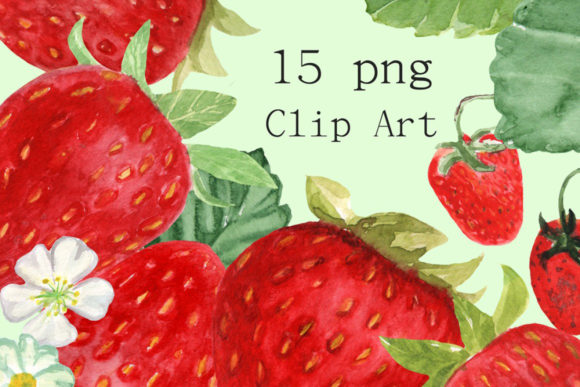
As a designer who has spent years translating digital files into physical stitches, I approach every new asset with a mix of excitement and skepticism. When I first opened the folder for 15 Watercolor Strawberries Clip Art, my immediate reaction was to appreciate the whimsical charm. These illustrations capture that soft, bleeding-edge aesthetic of watercolor painting perfectly on screen. However, the real test isn't how they look in a PDF preview; it is how they translate through the needle and thread of a machine embroidery design.
I decided to put these assets to work immediately. My current project involves creating a limited run of custom embroidered tote bags for a local boutique client. The goal is a summery, organic feel that appeals to eco-conscious shoppers. I needed something that felt handmade yet professional. This is where the 15 Watercolor Strawberries Clip Art collection comes into play. Let's dive into whether these illustrations hold up under the scrutiny of a real-world craft business.
The Visual Mood and Design Translation
The first thing you notice about these strawberries is their fluidity. Unlike rigid vector graphics with hard edges, these illustrations rely on gradients and soft transitions to create depth. In the context of an embroidery file, this presents both an opportunity and a challenge. The mood is undeniably cheerful and nostalgic, perfect for nursery decor, kitchen linens, or spring-themed apparel.
However, when converting a watercolor style to a machine embroidery design, we must consider stitch density. A true watercolor effect relies on transparency, which thread cannot replicate directly. To achieve this look, the digitizer must use a combination of fill stitch and running stitch to mimic the bleed of paint. If the original clip art has very fine, wispy lines, those details may get lost or turn into tangled knots if the hoop size is too small. For my tote bag project, I selected three larger strawberry motifs from the set. The shapes were distinct enough to maintain their character even after being broken down into satin stitch outlines and fill areas.
Real-World Application: From Screen to Stitch
Let's talk about the actual execution. I tested one of the strawberry designs on a scrap piece of heavy canvas before committing to the final tote bags. This step is non-negotiable. The fabric texture of the canvas interacted beautifully with the bold colors of the strawberry reds and greens. The design held its shape well, but I noticed that the lighter, "washed-out" areas of the watercolor required careful thread color selection.
For a successful sweatshirt embroidery or baby embroidery project using these assets, you cannot simply pick a single shade of red. You need to layer multiple thread colors to build that gradient effect. I found that using a slightly darker base fill and overlaying it with a lighter, more translucent stitch pattern helped replicate the watercolor vibe. Without this technique, the finished product risks looking flat and generic rather than artistic and unique.
These designs are particularly strong for personalized gifts. Imagine a monogrammed apron where the strawberries act as decorative accents around the name. Or perhaps a pillow cover for a child's room where the strawberries are scattered in a playful arrangement. The versatility of having fifteen different variations allows for creative layouts without repetition, which is crucial for maintaining visual interest in a handmade product.
Navigating Fabric and Hoop Limitations
While the potential is high, there are specific scenarios where 15 Watercolor Strawberries Clip Art requires caution. First, consider the hoop size. Some of the smaller strawberries in the collection are intricate. Attempting to stitch these on a tiny 4x4 inch hoop might result in poor registration or puckering, especially on stretchy fabrics like jersey knit. For custom apparel made from thin materials, the stitch density needs to be adjusted downward to prevent the fabric from distorting.
Dark fabrics present another hurdle. The watercolor style often includes white highlights or pale pink washes. On a black t-shirt or navy sweatshirt, these light areas can disappear unless you use a backing stabilizer that is also light-colored or apply a white underlay strategically. Always check your digital embroidery file settings to ensure the underlay supports the top stitches. If you are selling these as part of a small shop product line, consistency is key. A design that looks great on a light beige tote bag might fail completely on a dark denim jacket without significant re-digitizing.
Furthermore, curved surfaces like caps require extra attention. The organic, irregular shapes of these strawberries do not conform easily to the curve of a hat brim. While a simple circular logo works well on a cap, these flowing illustrations might look distorted if stretched over the dome. I would recommend reserving these specific assets for flatter surfaces like tote bags, pillow covers, tea towels, or the front panels of hoodies.
Business Value and Customer Perception
From a commercial standpoint, offering products based on 15 Watercolor Strawberries Clip Art can significantly boost buyer engagement. Customers browsing Etsy or visiting a craft fair are often looking for items that feel personal and artisanal. The watercolor aesthetic signals creativity and care. It elevates a standard embroidered item into a piece of wearable art.
When used correctly, these designs enhance the perceived value of the finished product. A plain tote bag becomes a statement piece when adorned with a vibrant, artistically rendered strawberry cluster. This is vital for Etsy sellers and creative entrepreneurs trying to differentiate themselves in a crowded market. The visual appeal translates directly to customer trust; buyers assume that if the design is this detailed, the stitching quality must be equally high.
However, remember that the design is only half the equation. Your presentation matters. Use high-quality printable mockups to showcase how the design looks on various items before listing them. Show the texture of the thread and the drape of the fabric. This transparency helps manage customer expectations and reduces returns.
Practical Designer Notes for Success
If you decide to incorporate 15 Watercolor Strawberries Clip Art into your workflow, here are my top recommendations for ensuring a professional result:
- Test on Scrap Fabric: Never skip the test run. Check how the thread tension affects the delicate watercolor gradients.
- Check Thread Contrast: Ensure the lighter parts of the design stand out against your chosen background fabric.
- Verify Licensing: Before selling any commercial embroidery items, confirm that your license allows for the sale of finished goods containing these illustrations.
- Use Proper Stabilizer: Especially for textured fabrics or dense stitch areas, a good cutaway or tear-away stabilizer will keep the design crisp.
- Inspect Small Details: Zoom in on the digitized file to ensure no tiny gaps exist between stitch blocks, which could lead to loose threads.
- Consider the Audience: Think about who is buying. Is it for a holiday gift, a wedding favor, or everyday wear? Adjust the placement and size accordingly.
In conclusion, 15 Watercolor Strawberries Clip Art offers a delightful palette for designers willing to put in the extra effort to translate the watercolor style into thread. It is not a "load and go" solution for beginners expecting instant perfection, but for experienced makers and business owners, it provides a unique edge. With careful digitizing, thoughtful fabric selection, and proper testing, these illustrations can transform simple garments and home goods into cherished, high-value keepsakes.