Watercolor Spanish Windmill Embroidery Review
As a designer who has spent years translating digital art into tangible thread, I approach every new machine embroidery design with a mix of excitement and skepticism. The gap between a beautiful screen image and a successful finished product can be wide. When I first opened the file for Watercolor Spanish Windmill, I was immediately struck by its artistic intent. It belongs to the Illustrations category, which often implies a softer, more painterly aesthetic compared to bold, graphic logos. This specific design captures that whimsical, travel-inspired vibe perfectly, but the real question is how it translates when stitched onto fabric.
First Impressions: Mood and Visual Personality
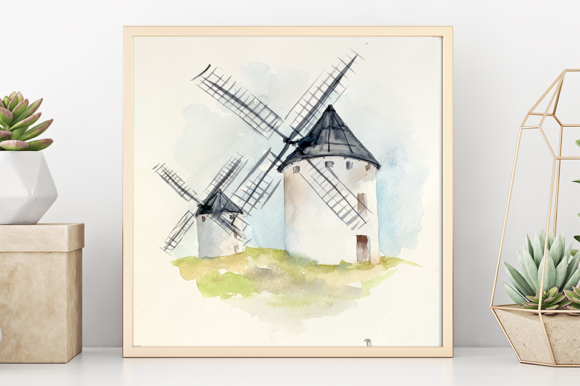
The Watercolor Spanish Windmill exudes a romantic, Mediterranean charm. The visual personality is defined by soft edges and blended tones, mimicking the look of watercolor paint bleeding into paper. In the world of embroidery project planning, this is a double-edged sword. On one hand, it offers a sophisticated, high-end look that stands out against generic clip art. On the other, achieving that "watercolor" effect in thread requires careful consideration of stitch density and thread colors. If the density is too high, the soft gradients become muddy blocks of color. If it is too low, the design may lack definition. For a small shop product or a boutique brand, this level of detail can significantly elevate perceived value.
A Real-World Scenario: The Custom Tote Bag
Let's walk through a practical application. Imagine you are an Etsy seller preparing a line of artisanal tote bags for the upcoming spring season. You want something that feels personal and artistic, not mass-produced. You decide to use Watercolor Spanish Windmill on a heavy-duty canvas tote. This is where the design truly shines. The sturdy texture of the canvas provides a perfect backdrop for the intricate details of the windmill blades and the surrounding floral accents.
When stitching this as a tote bag design, the large surface area allows the fill stitch patterns to breathe. The soft gradients of the watercolor style mimic the natural weave of the canvas, creating a harmonious blend. Customers buying these bags aren't just purchasing a carrier; they are buying a piece of wearable art. The design feels curated and thoughtful, which builds customer trust and encourages repeat business. However, if you were to try this same design on a thin cotton t-shirt without proper backing, the delicate lines might pucker, ruining the illusion of a painting.
Navigating Fabric and Hoop Challenges
While the Watercolor Spanish Windmill is versatile, it demands respect for material limitations. I strongly advise against using this embroidery file on stretchy fabrics like jersey knit unless you have extensive experience with stabilizers. The tension required to hold the fine details of the windmill structure can distort the fabric, leading to a wavy, unprofessional finish. Similarly, dark fabrics present a challenge. The lighter tones inherent in a watercolor palette need a light background to pop. Stitching this over black or navy without a topper or applique technique could result in lost details and poor contrast.
Consider the hoop size carefully. Although the design looks compact on a screen, the outer elements—perhaps some decorative foliage or sky gradients—might extend further than expected. Always check the dimensions before hooping. If you attempt to fit this into a hoop that is too small, you risk cutting off crucial parts of the composition or forcing the machine to stitch at an awkward angle. For items like caps or curved surfaces, the complex curves of the windmill blades might struggle to lay flat, requiring a specialized cap frame and significant testing.
Strategic Placement for Maximum Impact
- Sweatshirt Embroidery: Place the design on the back yoke or lower left chest. The heavier weight of a sweatshirt supports the stitch density well.
- Baby Embroidery: Use this on a blanket or a onesie made of stable cotton. Ensure all threads are secure, as baby items undergo frequent washing.
- Embroidered Patch: Create a detachable patch from felt or twill. This allows you to control the background color perfectly and attach it to jeans or jackets later.
- Kitchen Towels: A charming addition to linen tea towels, provided the towel isn't too absorbent or textured.
Technical Considerations for Professional Results
Before committing to a batch production run, you must treat Watercolor Spanish Windmill with the rigor of a professional test. Start by running a test on scrap fabric that matches your final product. Inspect the running stitch areas closely; these are often used for outlines in illustration-style designs and can easily break if the tension is off. Check the satin stitch columns, if any, for consistency. Uneven satin stitches can make a smooth gradient look jagged.
Color management is critical. The magic of this design lies in its color transitions. You may need to adjust the thread colors slightly from the digital preview to match the physical thread available in your shop. Sometimes, a slightly darker shade works better in reality than on the monitor. Additionally, always review the digital embroidery file in black and white mockups. This helps you identify if the contrast is sufficient for customers viewing your listings online. If the design disappears in grayscale, it will likely confuse buyers browsing your printable mockup or digital product previews.
Business Value and Commercial Viability
For the craft business owner, the right design asset can define a brand. Watercolor Spanish Windmill offers a unique selling point. It appeals to travelers, art lovers, and those who appreciate handmade aesthetics. Unlike generic geometric shapes, this illustration tells a story. When used correctly, it enhances the handmade presentation of your goods, justifying a higher price point. Whether you are creating a holiday gift set, a wedding favor, or a personalized item for a client, the artistic quality adds a layer of professionalism that generic designs lack.
However, remember to confirm the licensing terms. As a commercial embroidery provider, you need to ensure you have the rights to sell finished items featuring this design. Some licenses restrict the number of items you can produce or require attribution. Never assume; always verify. Once cleared, this design becomes a powerful tool in your portfolio of design assets.
Final Verdict for Designers and Makers
In conclusion, Watercolor Spanish Windmill is a standout piece for designers who understand the nuances of textile art. It is not a "load and go" design for beginners working with difficult fabrics, but for the experienced maker, it is a gem. It transforms simple custom apparel into statement pieces and elevates personalized gifts into cherished keepsakes. By respecting the fabric choices, managing the stabilizer usage, and testing thoroughly, you can harness the full potential of this illustration. It is a design that rewards patience and skill, resulting in a finished product that customers will admire and cherish.